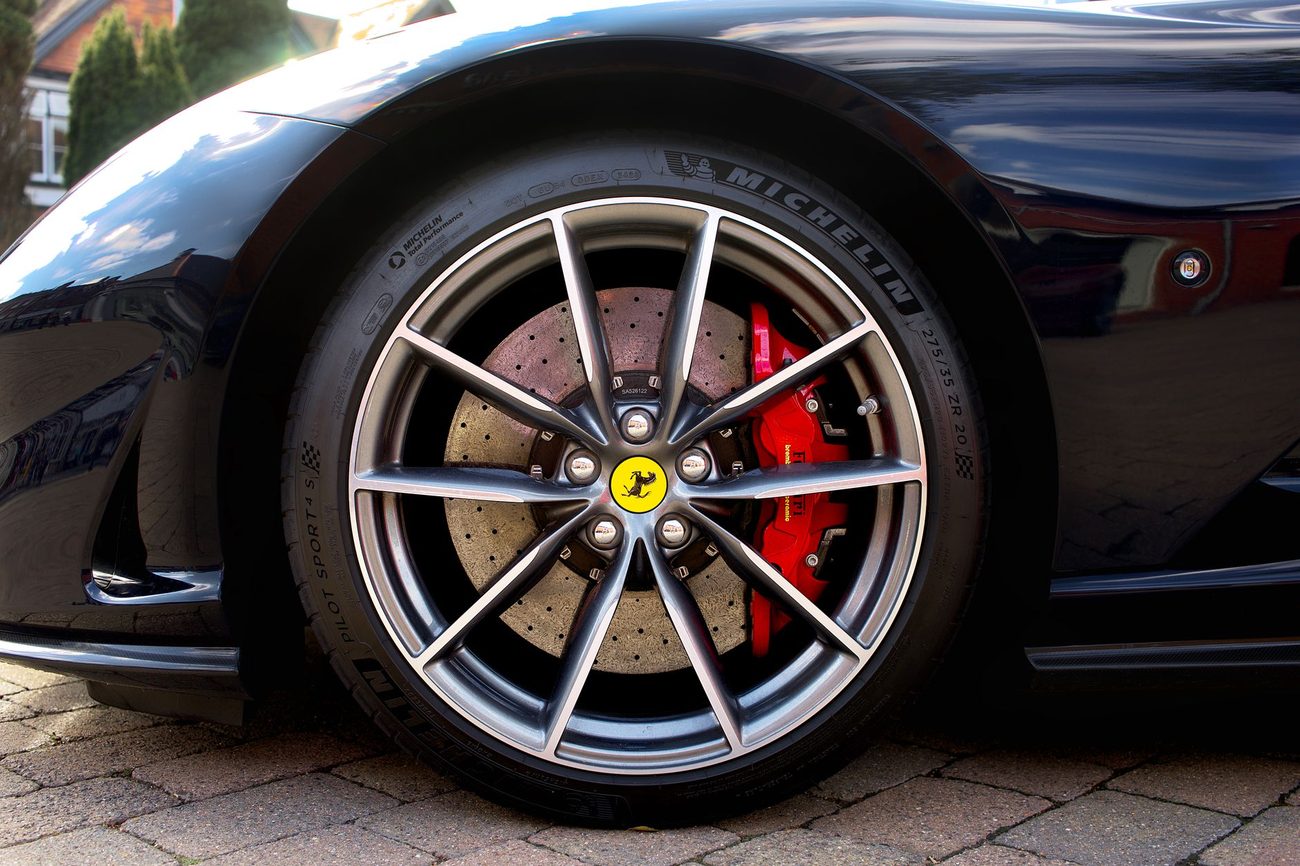
The sound started on Green Bay Road on a Tuesday evening in early October, somewhere between the library and the train tracks. A low grinding every time I pressed the brake, the kind of noise that makes you turn the radio down and then turn it back up because you'd rather not know. I knew. I'd been half expecting it since March.
My car is a silver 2012 Corolla I bought in 2022 for $5,900 cash. It has about 124,500 miles on it now, and until this month it had asked for nothing but oil changes and gas. This is the story of its first real bill of the year and how I paid it.
Two quotes, very different numbers
My dad listened to the car in our driveway, made a face and said "that's metal on metal." He told me not to put it off, so I didn't. I called two places the next morning.
The first was the dealership where the car had been serviced years ago. They quoted $720 for front brake pads and rotors, with a note that they'd "inspect the rear while they were in there," which in my experience is how a quote grows.
The second was an independent shop in Skokie that a coworker has used for years. They quoted $465 for the same job: new front pads, two new front rotors, labor and a check of the brake fluid. They also told me the rear brakes looked fine and could wait, which made me trust them more, not less.
I went with the second shop. They had it done in an afternoon while I worked from home, and my dad drove me over to pick it up because he wanted to hear the car stop quietly himself. It did.
How I paid without touching the emergency fund
Since March, every paycheck has sent $25 to what I call the car line, a small savings bucket just for car repairs. It's separate from my emergency fund on purpose. The emergency fund is for the big stuff: losing my job, a real medical bill, something I can't plan for. A 13-year-old car needing brakes is not a surprise. It's a calendar event I just didn't know the date of.
The car line had $338 in it. That's about 16 paychecks of $25, minus an oil change in July. The other $127 came out of checking, specifically my spending money for the second half of October. So the math was simple:
$338 from the car line + $127 from spending = $465.
The emergency fund didn't move. It's at a little over $5,000 right now and I'm aiming for $6,000 by the end of the year. I'd like to keep it moving in one direction.
What having a car line actually changed
A year ago this bill would have gone on a credit card at 27% interest, and I'd have been paying for these brakes well into the spring. This time it was annoying for about two weeks instead of six months. That's the whole point.
The bad news is the car line is now basically empty, and it's going to keep getting $25 a paycheck while the car gets older. A few things I'm keeping an eye on:
- The tires have one more winter in them, maybe.
- The rear brakes will need doing eventually.
- Something will go wrong that isn't on this list, because it always does.
I thought about raising the car line, but my paycheck is about to change. In December I'll start paying for my own health insurance through work, so I'd rather wait and see what my new take-home looks like before I move numbers around. For now, $25 stays $25.
October was also the month my 5.05% student loan disappeared. I'm paying the loans highest rate first, and that was the top one. Paying off a whole loan and a brake job in the same month made October feel expensive and productive at the same time.
The car now stops quietly, the shop is saved in my phone and I've learned the difference between a squeak and a grind, which is not a skill I asked for. Somewhere in a parking lot in Skokie, I'm sure someone is still waiting on that dealership quote to come in under $720.