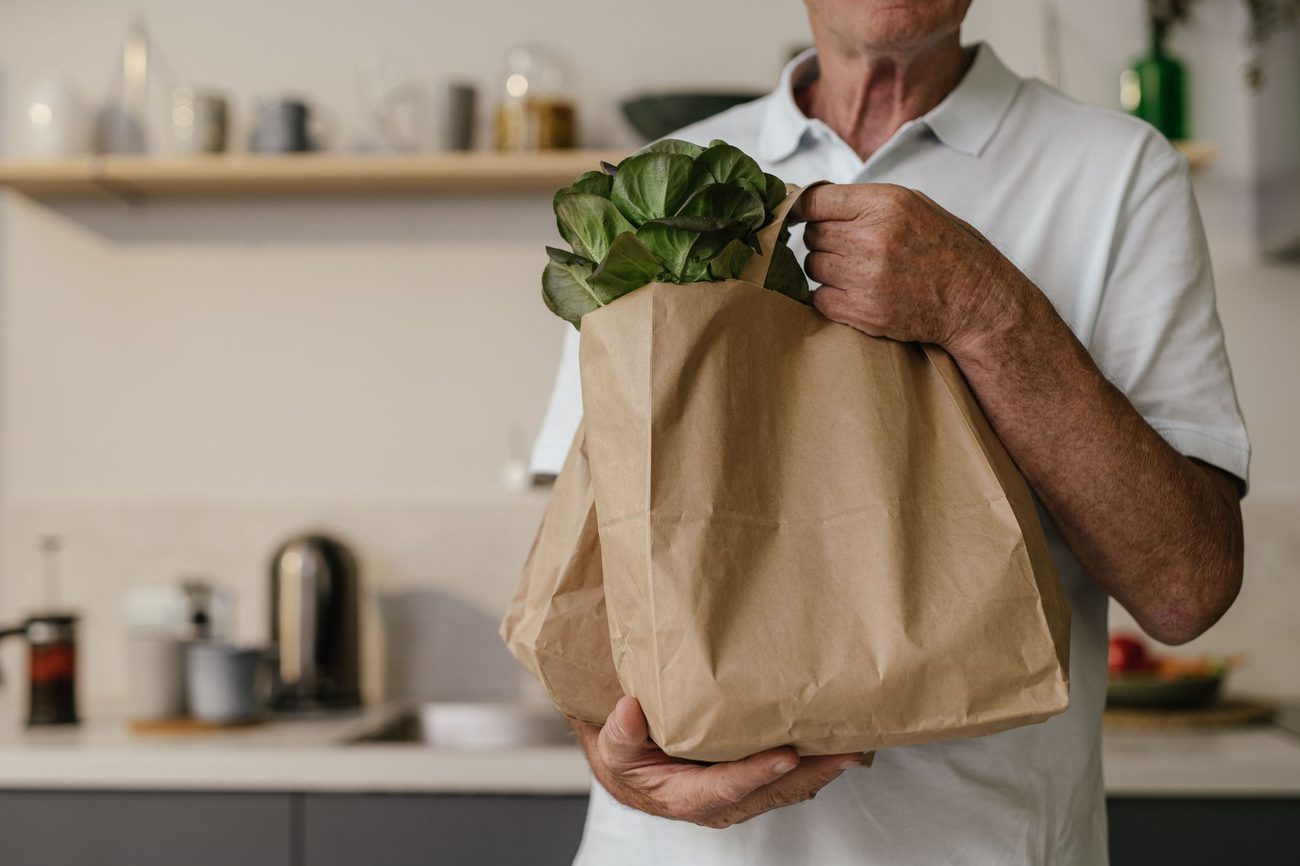
The first week in my studio, I opened the fridge on a Wednesday night and found exactly the following: half a bag of spinach, ketchup, four eggs and a container of leftover pizza from moving day that was definitely past its prime. At my parents' house, there was always something. A pot of soup my mom made on Monday, leftover chicken, a cheese drawer that never seemed to run out. I had no idea how much of my eating was quietly supported by that fridge until it was gone.
It's been almost three months. I've finally got a routine that works, and a grocery number I can live with.
What I used to spend, and what I spend now
When I lived at home, I paid my parents $300 a month, which covered my share of groceries and utilities. I bought my own lunches and snacks on top of that. So I didn't really know my grocery cost, because it was blended in with everything else.
In my first apartment budget, I set groceries at $260 a month. In June I spent $341, partly because I was stocking an empty kitchen with oil, spices, flour and everything else you don't think about until you need it. In July I spent $284. In August, with a few days left to go as I write this, I'm at $231 and on track to land right around $260.
My weekly routine
I shop once a week, on Sunday mornings, before Sunday dinner at my parents' house. Here's how it splits:
Aldi on Howard Street for the basics: eggs, milk, bread, rice, pasta, canned beans and tomatoes, butter, cheese, frozen vegetables, bananas, apples and whatever produce looks good. It's a short drive from my place in south Evanston, and it's where most of my money goes. Usually $35 to $45 a trip.
Trader Joe's in Evanston every other week for a few specific things: a frozen meal or two for nights I don't want to cook, a bag of their salad greens, peanut butter, a snack I'll pretend is for guests. Usually $20 to $25.
Jewel-Osco occasionally, when I need something specific that the other two don't carry, or when chicken thighs are on sale. Maybe once a month.
My one rule: I make a list on Saturday night, built around what's already in the fridge and what I'll actually cook that week. If it's not on the list, it doesn't come home, except for one small "fun" item a trip, which is usually a fancy cheese.
What cooking for one actually looks like
The hardest part of cooking for one isn't cooking. It's that every recipe serves four, and every package is sized for a family. A whole head of lettuce for one person is a race against time.
Here's what's working for me:
- Cook once, eat three times. A pot of chili or a tray of roasted chicken thighs on Sunday night gives me lunch for two days and one dinner.
- The freezer is my friend. I freeze half a loaf of bread, cooked rice in portions, and leftover soup. Nothing goes bad if it's frozen.
- Buy produce that lasts. Carrots, cabbage, onions, apples and frozen spinach beat delicate greens for a single person.
- Eggs on lazy nights. Two eggs in my $6 cast iron skillet with toast and whatever vegetable is about to turn is dinner at least once a week.
The no-dishwasher thing also changed how I cook. I lean toward one-pan meals now, because doing dishes by hand after a long day of denial calls at work is not my favorite activity.
Sunday dinner at my parents' house is still happening. I've been cooking it every week since last July, and my mom insists on sending me home with leftovers, which basically covers one Monday dinner. I've stopped pretending to refuse. Nolan, who now lives in the city, comes up some Sundays too and eats like he's been gone for a year.
Dan cooks sometimes when I'm at his place in Avondale, and I cook at mine. We keep our money separate, so whoever hosts buys the groceries. It evens out.
And I bring lunch to the office in Skokie three days a week, which is the single biggest reason my food spending didn't climb when I moved out. A sandwich from home costs me about $2.50. Lunch near the office costs about $14.
I'm not at the point where I'm excited by grocery shopping. But I'm at the point where I open my own fridge on a Wednesday and there's actually dinner in it. For one person who used to rely on her mom's soup, that feels like progress.