Section 14 of my new lease, on page six, says the tenant must carry renters insurance with at least $100,000 in liability coverage and show proof before getting the keys. I read it twice at the leasing table, signed my name, and added "renters insurance" to the list in my notes app before I even got back to the car.
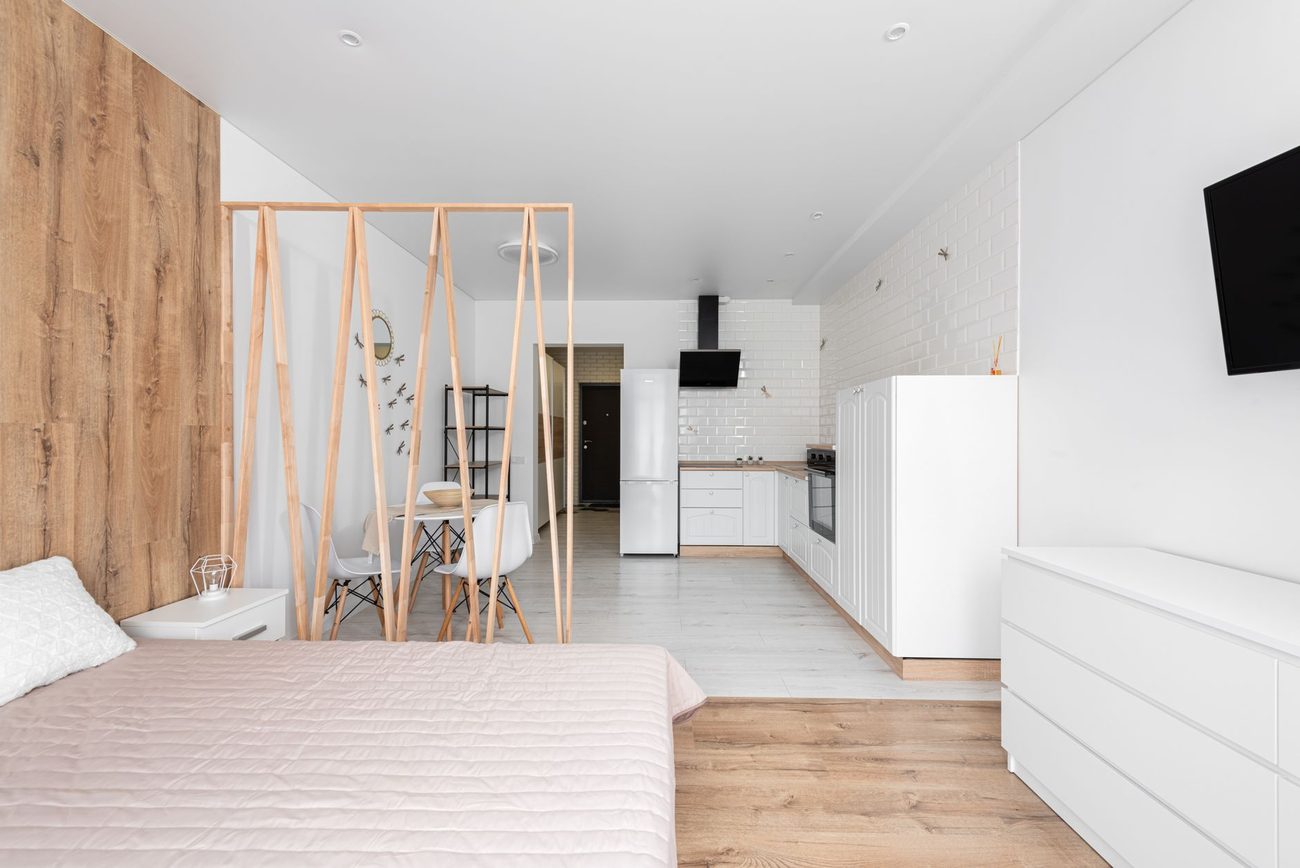
So yes, I signed a lease. My studio in south Evanston starts June 1: about 480 square feet on the third floor of an old brick courtyard building, $1,295 a month, heat and water included. This post is about the boring paperwork the lease made me do.
What renters insurance covers, in my words
I had a renters policy in Rogers Park, part of a pile of costs I split with Tess and didn't read once. This time I read the whole thing. A basic renters policy usually has a few parts:
Personal property. My stuff: clothes, laptop, bed, kitchen things, the thrift-store dishes waiting in my parents' basement. If they're stolen, or destroyed by something the policy covers like a fire or a burst pipe, the policy pays after my deductible. It often covers my things even outside the apartment, like a laptop stolen from my car.
Liability. If I accidentally cause damage or someone gets hurt because of me, like if my bathtub overflows into the unit below, this pays for it. This is the part my landlord requires.
Loss of use. If the apartment becomes unlivable after a covered problem, it helps pay for somewhere else to stay for a while.
What it doesn't cover matters too. It doesn't cover the building itself; that's the landlord's insurance. Standard policies usually exclude flooding from outside water and earthquakes. And it won't cover my car, that's the car policy's job.
The quote forms asked how much personal property coverage I wanted, so I made an inventory in the club sheet. I walked through my old room and the basement bin and wrote down what it would cost to replace everything new. Clothes and shoes added up fastest. Then the laptop, the bed and mattress I'm buying, a desk, kitchen things, and a bike. The total came to about $18,000, which was a lot more than I expected from someone who owns three mugs.
I rounded up to $25,000 for room to grow, since I'll be buying furniture for the studio.
The three quotes
I got all three online, with my own information, on one Sunday afternoon.
- Quote 1: $11 a month. $15,000 in personal property, $100,000 liability, a $1,000 deductible, and it paid actual cash value, meaning what my used stuff is worth today, not what it costs to replace.
- Quote 2: $14 a month. $25,000 in personal property, $100,000 liability, a $500 deductible, and replacement cost coverage, meaning it pays to replace things with new versions.
- Quote 3: $19 a month. $30,000 in personal property, $300,000 liability, a $250 deductible, replacement cost.
The first one was cheapest, but $15,000 didn't cover my inventory, and actual cash value on a five-year-old laptop is basically lunch money. The third was more than I needed. The middle one hit the landlord's requirement, covered my inventory with room to spare, and the $500 deductible is an amount my emergency fund could cover without drama.
So I picked the $14 option. That's $168 a year. It starts June 1, the day I move in, and I listed my landlord as an interested party so they get notified if the policy lapses, which the lease also asked for.
The fine print that surprised me
High-value items like jewelry often have a lower limit unless you add them separately. I don't own anything like that, but it's good to know. Claims for theft usually need a police report. And it really helps to have photos of your things, so the night before moving day I'm going to walk through my studio with my phone and take a video of everything.
My dad's review, after reading the declarations page I emailed him: "Good. Put the PDF in the folder." The folder is now a real thing, and the policy is in it.
For $14 a month, I get to stop worrying about the worst-case version of a fire on the third floor of a building from the 1920s. That's the cheapest line in my new budget, and the one I'm happiest to pay.